Six Blue Humanities Classics
Points of Reference
This is the first in a new series of posts on the LiminalWater blog entitled “Points of reference”, where we share some of the orientation points that we use to navigate our way through our research practice, whether inspiring texts, sustaining recipes or favourite places. In this post, six classic texts in the “blue humanities”.
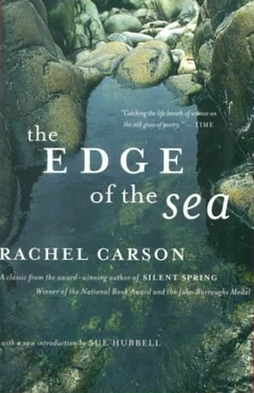
1. Rachel Carson, The Edge of the Sea
The term “blue humanities” – denoting the focus in humanities scholarship on oceanic and watery topics – emerged in in the late 2000s and is credited to Steven Mentz. But the body of work it names goes back much further.
Rachel Carson, a marine biologist and nature writer, is often identified as a starting point. Her 1962 Silent Spring has also been enormously influential on the ecological movement and environmental humanities, but our key reference point is The Edge of the Sea (1955), the final volume in her sea trilogy and a beautiful description of the US Atlantic coastline. Here, blue humanities turns away from the marine depths towards the liminal edge zones where human and non-human life is most intensely entangled. (This focus on edge zones is why our project logo, designed by Stefanie Populorum, is brown and green as well as blue!)
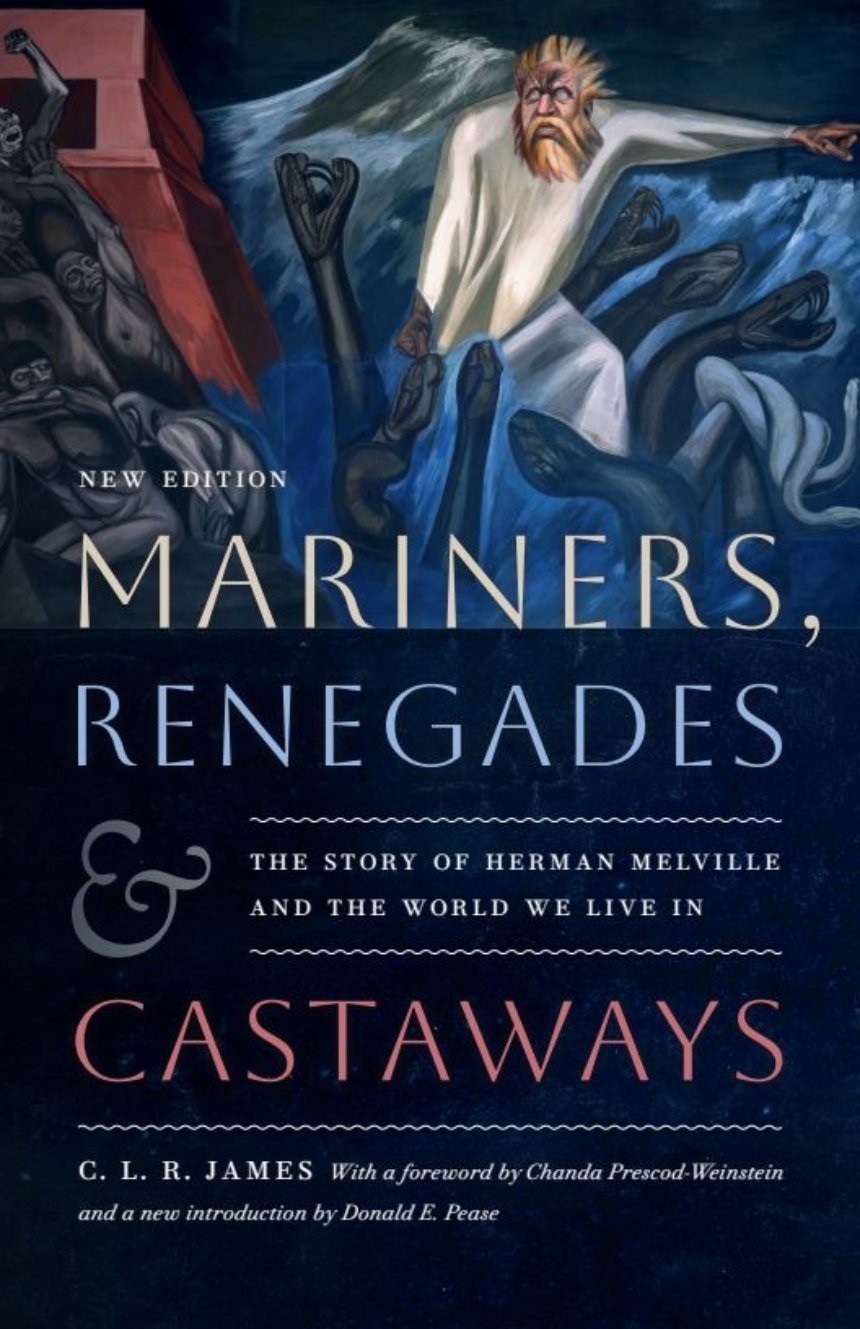
2. CLR James Renegades, Mariners and Castaways
This is a book written on an island.
Trinidadian cultural critic CLR James, despite being an anti-Stalinist, was detained by the US authorities under the 1952 McCarran-Walter immigration act as a “foreign subversive” and incarcerated on Ellis Island. The island was previously a point of arrival for refugees – it is within sight of the Statue of Liberty, famously inscribed with Emma Lazarus’ poem, “Give me your tired, your poor/Your huddled masses yearning to breathe free” – but was now a place of incarceration and removal. Looking at the sea, James read Herman Melville’s Moby Dick, and wrote.
Born on a small island and living a diasporic, peripatetic life, James’ project was to stretch Marxism, make it liquid. This book, published in 1953, helps us realise that it was not the Mancunian textile mill but the sailing ship that was the paradigmatic space of modernity and capital. The ship is a floating factory, a site of exploitation and alienation and of objective antagonism between the motley crew and totalitarian captain, but as such also carries the seeds of the potential realisation of collective human autonomy. The title is a quote from Melville – “to meanest mariners, and renegades and castaways, I shall hereafter ascribe high qualities, though dark” – and also aptly names the wayward spirits who flourish in liminal waterway countercultures.
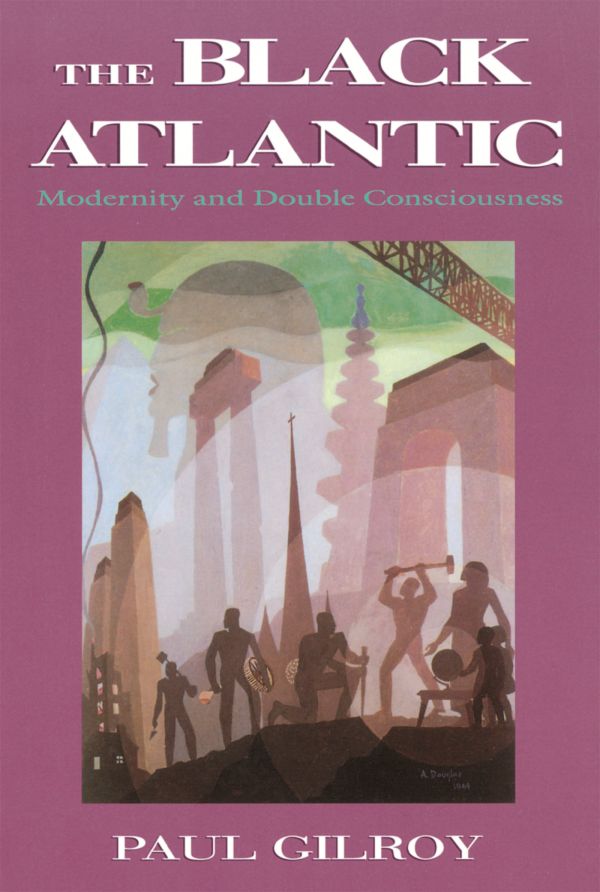
3. Paul Gilroy The Black Atlantic
Published in the early 1990s, this book sparked a “diasporic turn” in cultural studies and social sciences. It is an anti-national book, decentering and unmooring theory from the bordered states of the terran world: “Ships immediately focus attention on the middle passage, on the various projects for redemptive return to an African homeland, on the circulation of ideas and activists as well as the movement of key cultural and political artefacts: tracts, books, gramophone records, and choirs.” In our project, we try to map this kind of circulation around the watery liminal spaces where we work.
More recently, reflecting on the deaths at sea that nation-states and their borders have continued to produce, Gilroy has called for “thinking at sea level”, one of the points of reference that shaped our project proposal.
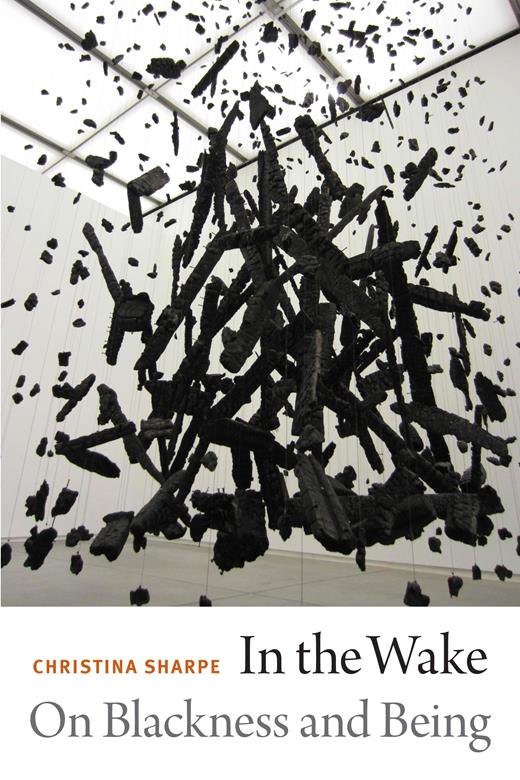
4. Christina Sharpe, In The Wake
This extraordinary, beautiful, harrowing book continues to think at sea level about the middle passage and its afterlife, its wake. The word has many meanings - “the keeping watch with the dead, the path of a ship, a consequence of something, in the line of flight and/or sight, awakening, and consciousness” – and many of these are liquid. As well as the wake and the ship, Sharpe talks of “the hold” and of “the weather” and of the “ordinary note of care” taken by the shipped.
Contemporary discourse often talks about the “resilience” of those who suffer. And indeed, in a drowning and burning world afflicted by multiple crises, there are many extraordinary tales of resilience. But there is something thin and glib about that language, which Sharpe’s lexicon enables us to move past: “the shipped, the held, and those in the wake also produce their own ecologies out of the weather. When the only certainty is the weather that produces a pervasive climate of anti-blackness, what must we know in order to move through these environments?”
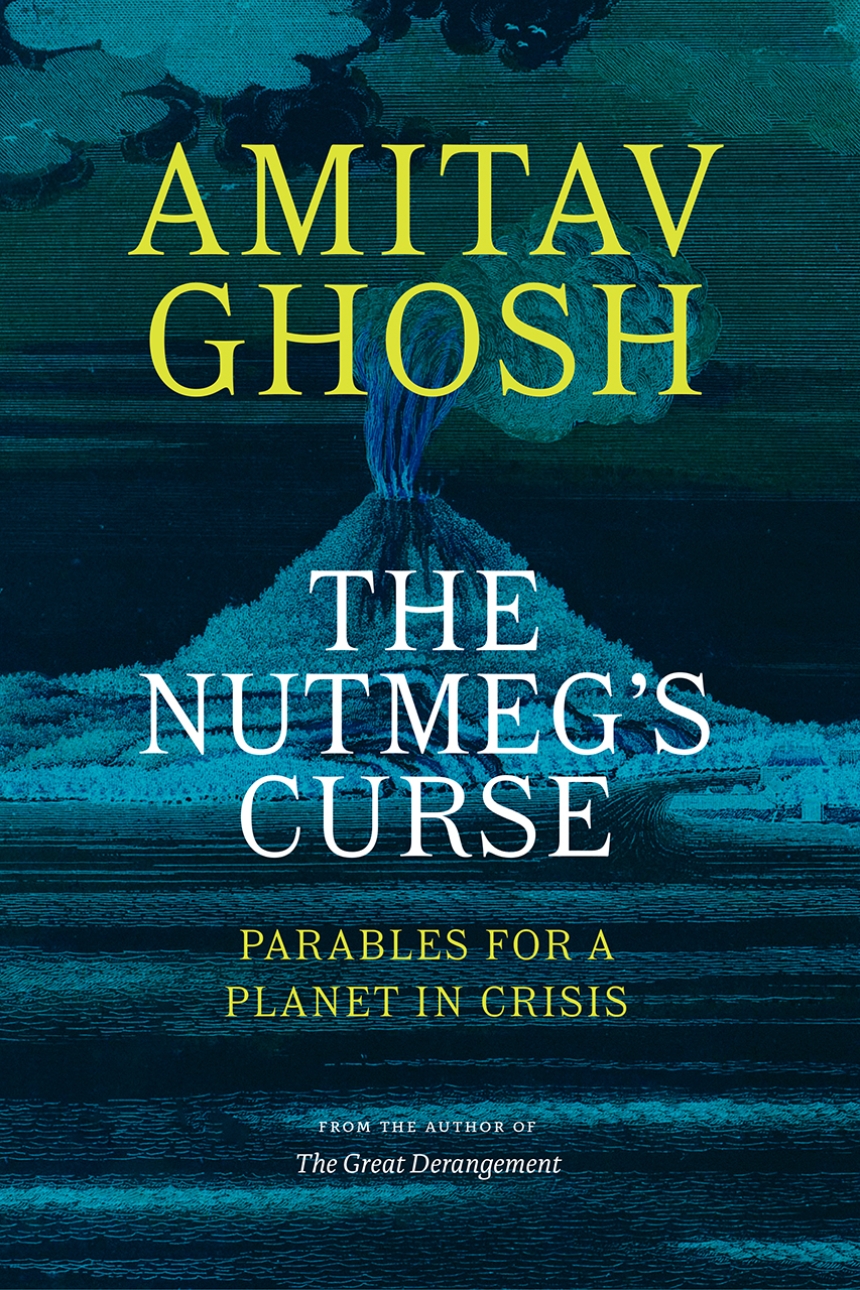
5. Amitav Ghosh, The Nutmeg’s Curse
Ghosh trained as an anthropologist but is known as a novelist. His novels are charactered by ships, travellers, dolphins, set on rivers and seas and the spaces in between. The Nutmeg’s Curse, though, is a work of non-fiction. Like James’ book, it is the product of islands and of a kind of incarceration. Ghosh visited the Banda Islands, 2000 km east of Java, but started to write up his notes locked down during the pandemic. It uses the story of the islands to tell the interlocking stories of the colonial genocide on the archipelago carried out to enable the extraction of nutmeg. It describes colonialism as “the project of muting and subduing the Earth”, a project that, he argues, has led today to the climate crisis threatening the planet with its destruction.
6. Astrida Neimanis, Bodies of Water
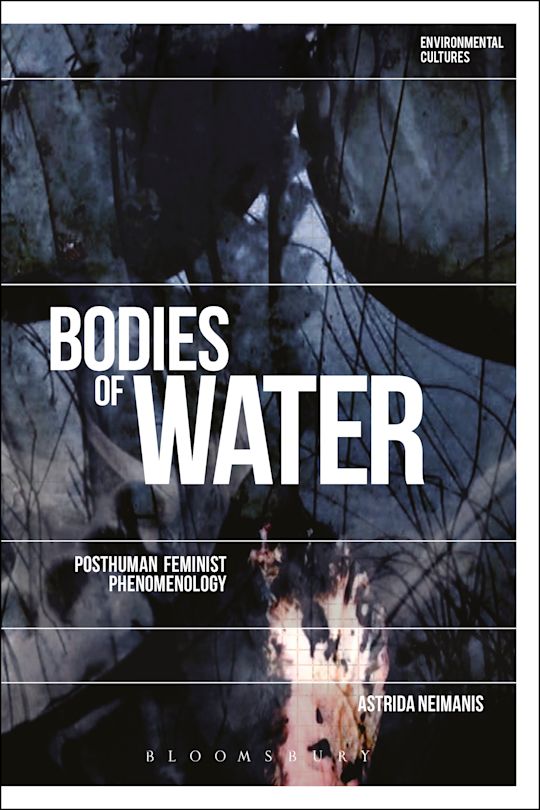
“Blood, bile, intracellular fluid; a small ocean swallowed, a wild wetland in our gut; rivulets forsaken making their way from our insides to out, from watery womb to watery world: we are bodies of water.”
This book was published in 2017, but I was introduced to it by my Liminal Water colleague Yvonne Živković while we were writing what became this project. Neimanis thinks with water about the crises facing our planet – “from drought and freshwater shortage to wild weather, floods, and chronic contamination” – and what it means ethically to be embodied beings comprised of water. She challenges individualist, masculine modes of thought that imagine Nature as something out there to be mastered; learning from indigenous thought, she teaches us that flows through us.
Author: Ben Gidley
Date: 9.3.2026