Wayward Maritime Counterculture
Claude McKay’s Sojourn on the Thames Dockside
In Wayward maritime counterculture: Claude McKay’s sojourn on the Thames dockside, the Birkbeck team retrieve the London sojourn of Claude McKay, a bisexual Black Jamaican-born writer. McKay is most strongly associated with the Harlem Renaissance, rooting and emplacing him in the national cartography of the US literary canon. In the 2000s, he was reclaimed by queer studies, but the Harlem focus remained in place. This project instead focuses on his lesser-known time in London, where he lived on the East End docks between 1919 and 1922, associating with seafarers, anti-colonial activists and sex workers, was active in the transnational Industrial Workers of the World (IWW) union, and wrote decolonial ethnographic reportage for Silvia Pankhurst’s socialist feminist Worker’s Dreadnought. His subsequent sojourn in North Africa and Marseille, more recently made prominent due to the belated publication of the novella Romance in Marseille, set in the queer multiracial world of Marseille’s dockside, has also received little scholarly attention.
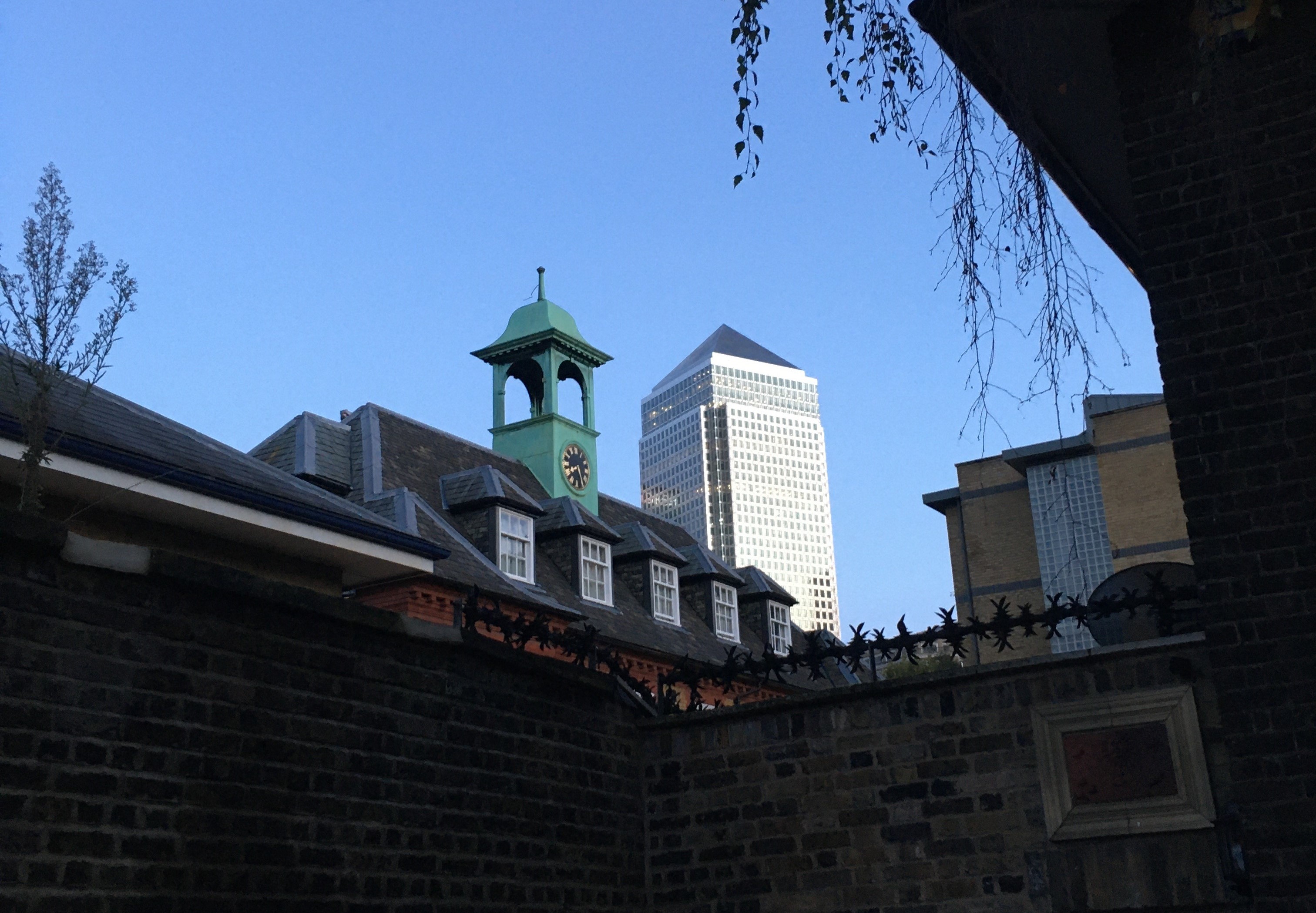
McKay’s life and writing (both fictional and ethnographic) in both sites embodies and describes the liminal countercultures of port cities, as dense hyperlocal spaces of wayward conviviality, creativity and autonomy where racialised outsiders and sexual outlaws could find sanctuary, but also as nodes in stretched transnational and translinguistic maritime circuits (including the black Atlantic, the Pan-African and Négritude movements, the IWW and Communist International…). Specifically, the London project will draw on McKay’s uncollected articles in the Dreadnought, his appearance in unpublished oral history material, and the mentions of London in his published works, to produce a countermap of McKay’s London and its connections to Marseille. Through a school workshop on McKay co-organised with Eastside Community Heritage, we will give voice to London’s East End Dockside youth of today to reflect on his meaning.
Project lead: Ben Gidley