Rijeka/Fiume Waterscape
Drawing on philological research, ecocritical approaches, and archival materials and periodicals related to the North Adriatic region of Croatia, the Croatian team seeks to establish a cultural and conceptual framework for narrating Rijeka from as many perspectives as possible. These perspectives include Croatian–Dutch economic relations within the Habsburg Empire, literary representations of karst landscapes and regional nature writing, the struggle against Italian imperialism, and the history of ecological and proto-environmentalist thought considering major socio-historical transformations. Precisely, the shift of the Adriatic from a site of antiimperialist or class struggle to a destination of mass tourism. The central concept that unifies these quite diverse perspectives is the resilience of local communities in Rijeka and the wider North Adriatic.
Project lead: Milka Car
Team: Toni Bandov, Jelena Lalatović
Partner: Tea Perinčić, Maritime and History Museum of the Croatian Littoral (PPMHP)


Narrating the Rijeka/Fiume Karst Waterscape
This multilingual and transnational project explores cultural imaginaries of crisis relating to the port city Rijeka/Fiume, which has been a crucial urban centre of transnational maritime traffic, trade, and politics in the Kvarner and the Northern Primorje region for centuries. The current city slogan, I love the city that flows, illustrates to the historical and symbolic significance of water for the city's identity and impact. Relating to the patterns of cultural continuity and unity on the one hand, but also distinct narratives of multiculturalism and hybrid identities on the other, it has been a location of both recurring crisis and opportunity.
We investigate how this widely extended metaphor of fluidity appears in literary and artistic transcultural narratives that depict the city as a passageway that connects the Mediterranean heritage with Central European traditions. The project focus is on tropes and strategies of interweaving, intertextuality, and interferences and explore to what extent the city, as well as the wider region of Kvarner, has changed in its historical dimension based on the study of discursive texts, but also photographic and archival materials. This includes processes of collective identity formation in a pluri-ethnic constellation resulting from the concurrence of the Habsburg imperial framework and the activation of national discourses. We observe the schism of centre and periphery not only laterally in geographical space, but also vertically in the culture of different time periods. This research is specifically dedicated to ecocriticism, as well as both historical and contemporary examples of nature writing of landscapes and waterscapes in the north Adriatic.
Researcher: Milka Car
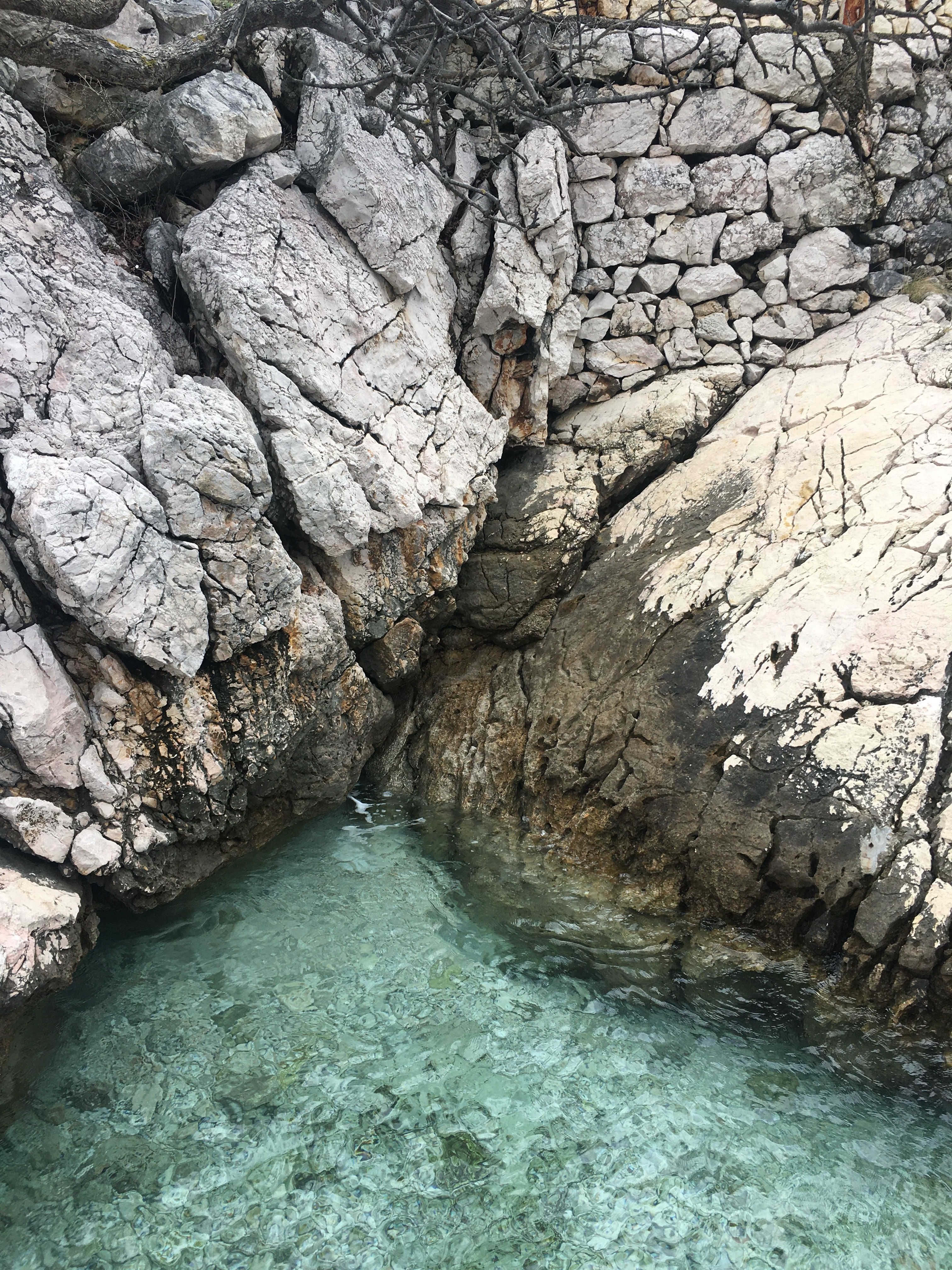
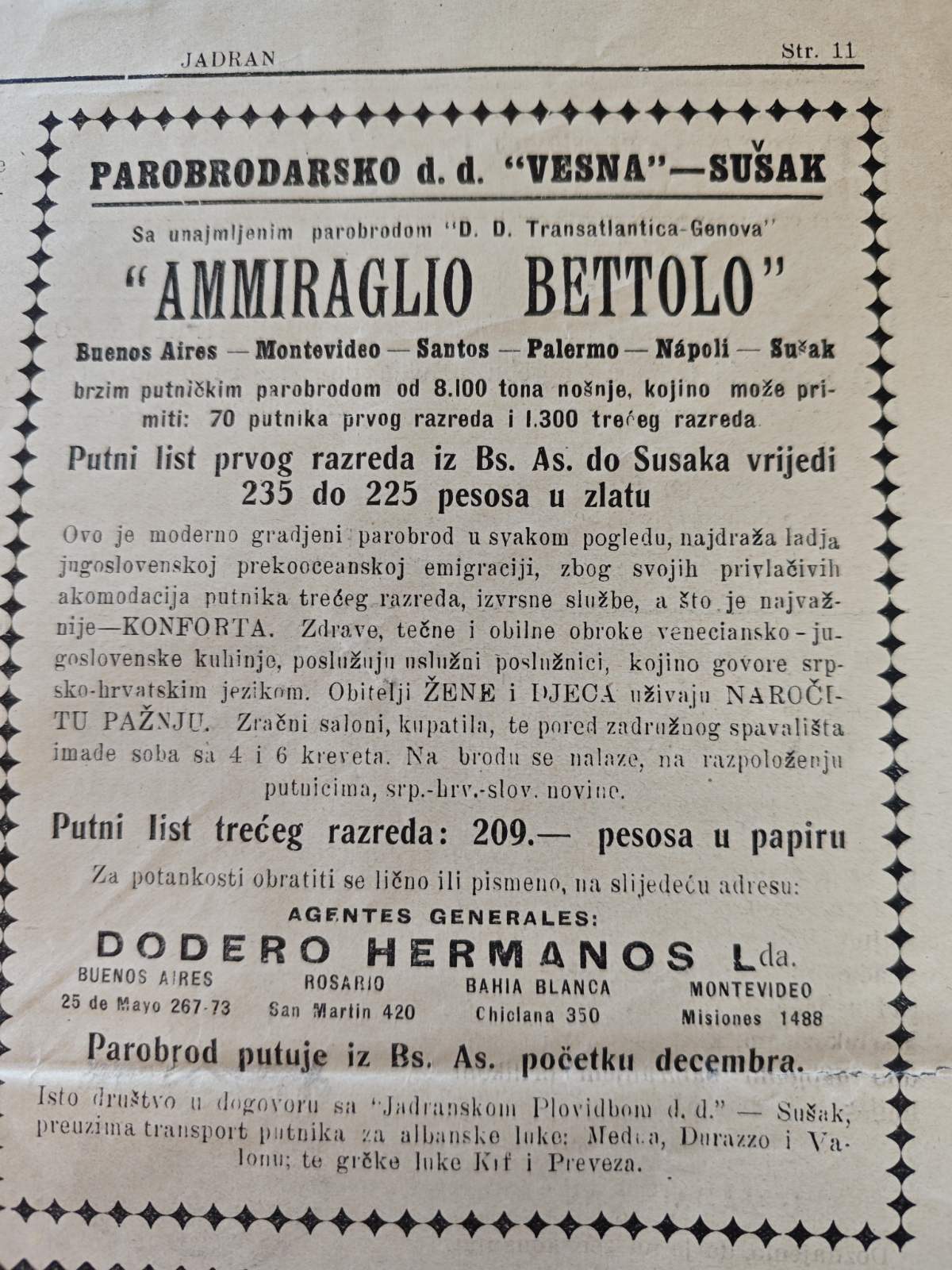
Besides ecocriticism and nature writing, Narrating the Rijeka/Fiume Karst Waterscape also involves intellectual history. It offers insight into how reflections on nature and water environments changed over time, a change also shaped by many economic and political crises. In half a century, in the imagery of Yugoslav intellectuals, the Adriatic coast transformed from a site of reclaiming social and political collective self-expression to a place of critical reckoning on the flaws and perils of excessive industrialization traditionally perceived as the only substantial warranty of modernization and social emancipation of the working class, which Rudi Supek, one of the most prominent Croatian sociologists, called out as “the mythology of industrialization.”
The second line of inquiry explicitly engages with the entanglement of languages, (post)imperial legacies, national collectives, and class positions. Here, the research focuses on the historical communities that emerged from how economic and political crises impacted waterscapes. The common denominator for these communities —such as Croatian emigration to Latin America, the maritime proletariat, political organizations such as Jadranska straža (The Adriatic Guard), and cultural and professional communities — is resilience. Their periodicals and print cultures figure as a specific entry point for understanding the historical and cultural impact of these communities, rooted precisely in their survival strategies. The city of Rijeka also figures as a crucial point of reference and a historical site of the various struggles of these communities.
Researcher: Jelena Lalatović
Keywords: Ecocriticism, Adriaticism, Rijeka/Fiume, the Yugoslav Adriatic, maritime proletariat, nature writing, environmental history
The Ostend East India Company And The Colonial Balkans
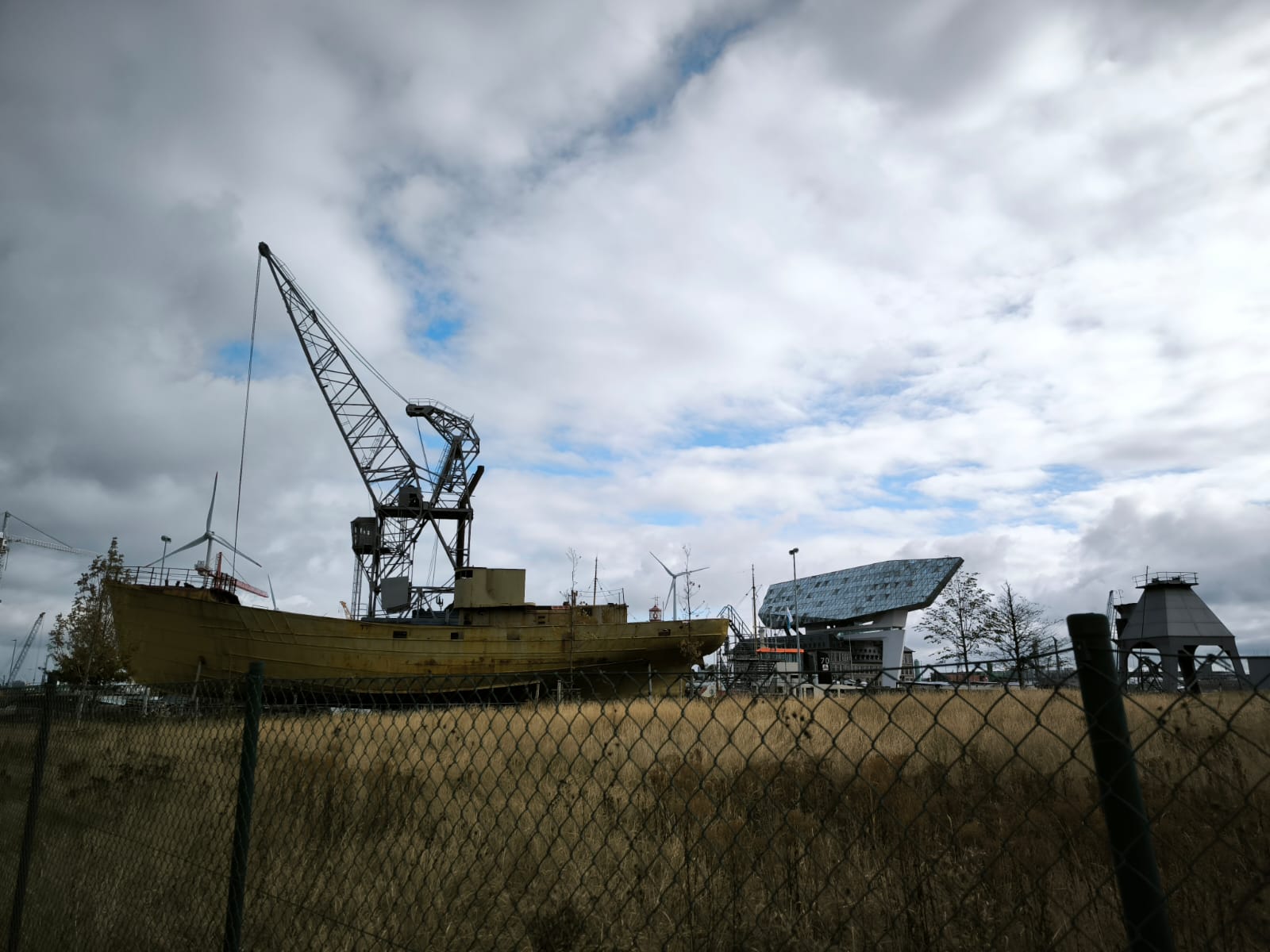
The Ostend East India Company And The Colonial Balkans follows the Imperial Asiatic Company of Trieste and Antwerp’s China tea trade sponsored by the Habsburg state and the Flemish city of Ostend, which was located in Rijeka and known as the East India Company in Rijeka. Although geographically distant, Ostend and Rijeka, on the Channel and Adriatic, were once part of the same Empire (often viewed as a land empire, in contrast to the maritime empires of the Atlantic powers) and were utilised as hubs for the colonial expansion of the Habsburg state. In the 20th century, both ports saw a decline in domestic industry, evolving into automated container hubs. Port jobs dried up, corroding the resilience of the community, exacerbated by cruise tourism, which congests seaports and distorts the shallow seabed’s flora and fauna.
Researcher: Toni Bandov
Keywords: Rijeka, Ostend, postimperial narratives