Marc Bernardot
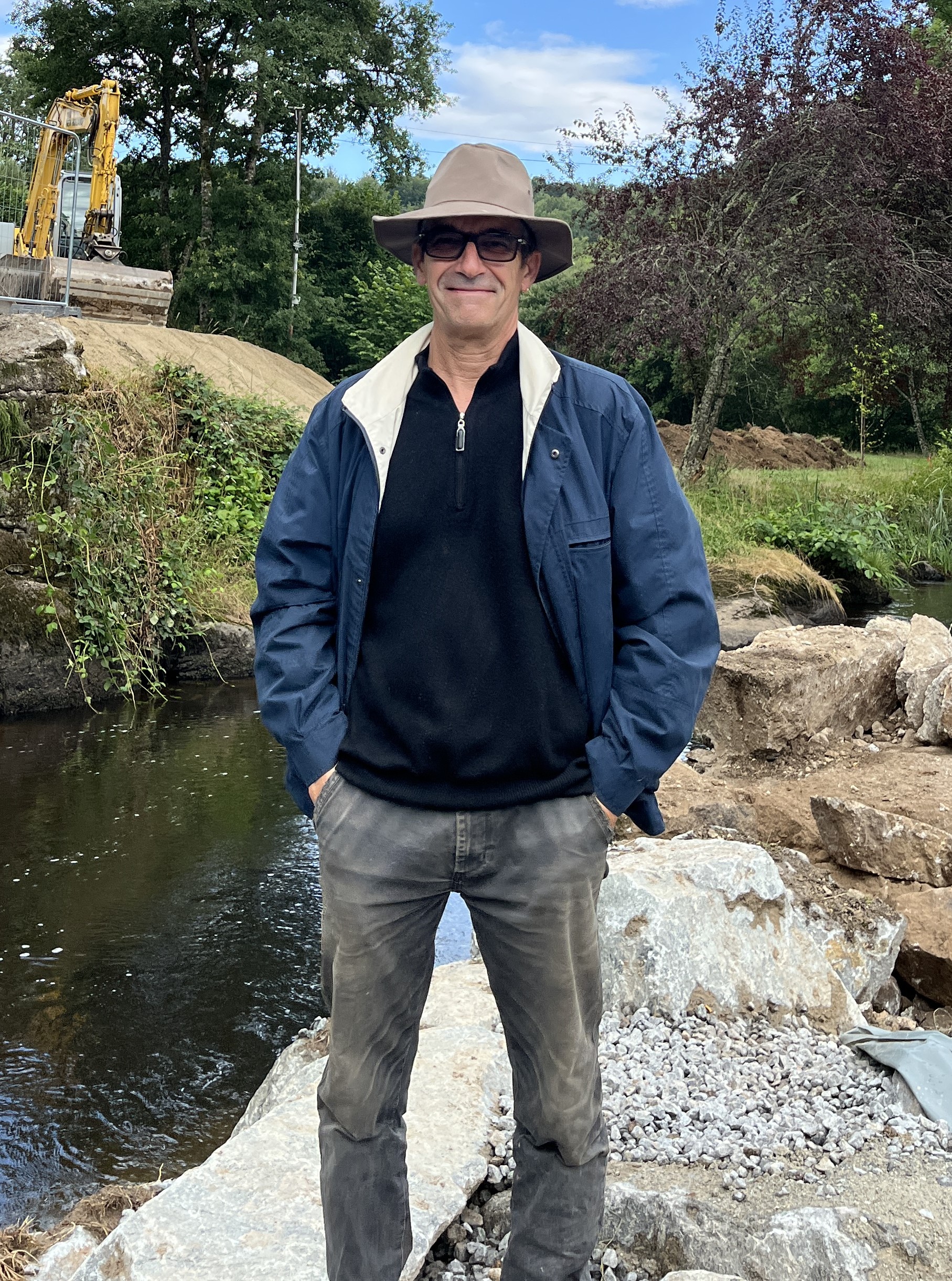
Marc Bernardot’s publications cover a field at the intersection of general sociology, the sociology of migration, the city, and culture. In sociological theory, he studies the uses of concepts whose metaphorical dimensions and meanings evolve according to the periods and contexts in which they are employed, such as mobility, hybridity, liquidity, otherness, identity, coloniality, indigeneity, and hospitality. These notions are considered central to the current period. This work provides an opportunity to revisit some of the main questions in general sociology, from its founders to major contemporary authors, in order to identify the ways in which concepts are developed, borrowed, and circulated between the social sciences and the sciences more generally, as well as their appropriation by state and commercial institutions and by civil societies.
With regard to specialized topics, he has conducted research in the sociology of migration, focusing on migrants’ lifestyles, relationships to work, discrimination, and mobilization; in urban sociology, examining land use and urban planning policies, emergency housing, and non-standard housing; and in the sociology of the state, addressing the hybridization of public policies, law enforcement, and exceptional policies. He has applied and articulated a variety of sociological methodologies, including empirical sociology, socio-history, political sociology, and socio-semantics.
His investigations, often long-term, are carried out in multiple locations across Europe, the Mediterranean, North America, and Asia, and address questions related to migration management policies, non-traditional forms of housing, alternative uses of digital devices, strategies for leaving cities and salaried employment, and representations and uses of water in various forms. His work aims to decipher the different types of practices, discourses, and subjectivations associated with contemporary crises and exceptional situations, based on empirical surveys, archival collections, and textual or aesthetic documents.
His current research varies according to the themes, methodologies, and corpora studied. He is primarily working on practices, representations, and conflicts related to water in all its forms. An initial empirical approach is based, on the one hand, on conducting qualitative interviews with water professionals in various sectors of activity in France in order to offer an interpretation of contemporary transformations in relationships with this essential element, and, on the other hand, on the empirical study of different forms of water management and heritage preservation in France and the United States. Interdisciplinary collaborations have developed, particularly on issues of maritime identities and emerging representations of the ocean in the context of globalization. He is also conducting a second series of research on the concepts and orientations of transhumanism and on biomedical and digital innovations, based on interviews and the analysis of extensive corpora of official European texts.