



The Age of Water: Welcome to the Hydrocene
Glossary
In 2024, Australian-Swedish curator and scholar Bronwyn Bailey-Charteris published The Hydrocene: Eco-Aesthetics in the Age of Water, coining a new provocative term for our present times. Where the Anthropocene names our epoch after the species that has damaged planet Earth most, the Hydrocene names it after what we have most urgently failed to understand and protect. Water, Bailey-Charteris argues, is not backdrop but protagonist — not a resource to be managed but an active force with its own agency and its own knowledge. Reading her book alongside our ongoing research for the Liminal Waterway Countercultures project, the resonance is immediate: we, too, study waterways not as static scenery but as living systems that carry memory, connect communities, and resist the boundaries we draw across them.
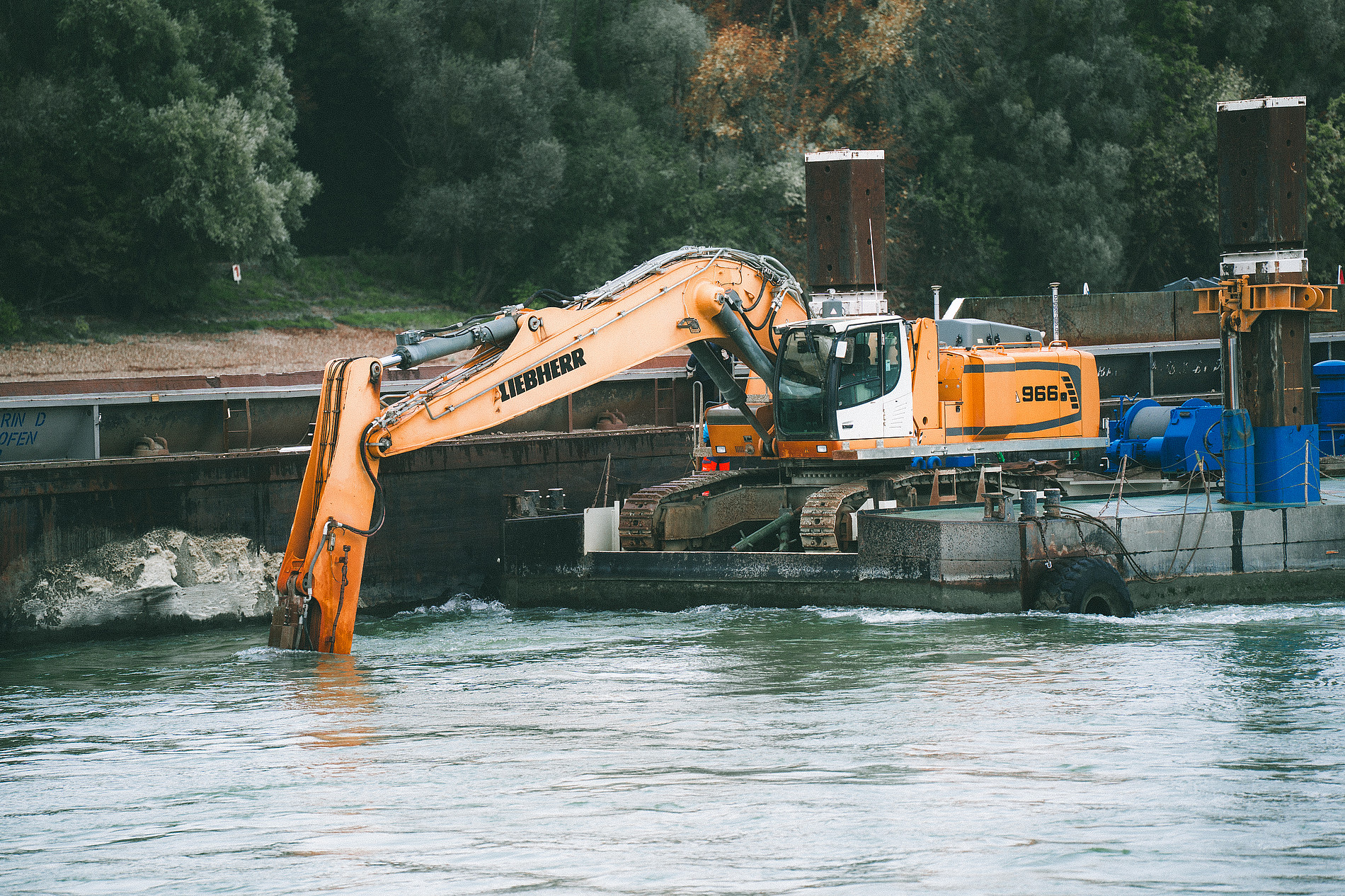
Bailey-Charteris presents the Hydrocene as both a conceptual epoch and a curatorial theory that moves beyond anthropocentric, neo-colonial, and environmentally destructive ways of relating to water. Her framework draws deeply on the feminist environmental humanities, and in particular on hydrofeminism, developed by Astrida Neimanis in Bodies of Water: Posthuman Feminist Phenomenology (2017). Neimanis suggests that all bodies — human and more-than-human alike — are constituted by water, flowing through the planetary hydrological cycle in a shared, porous continuity. Where the Anthropocene imagines us as a species defined by its geological footprint, the Hydrocene imagines us as bodies defined by what passes through us and what we share. Water, Neimanis writes, is connector, differentiator, facilitator, communicator that brings all kinds of bodies into intimate contact despite and because of their differences. (Neimanis 2017, 67).
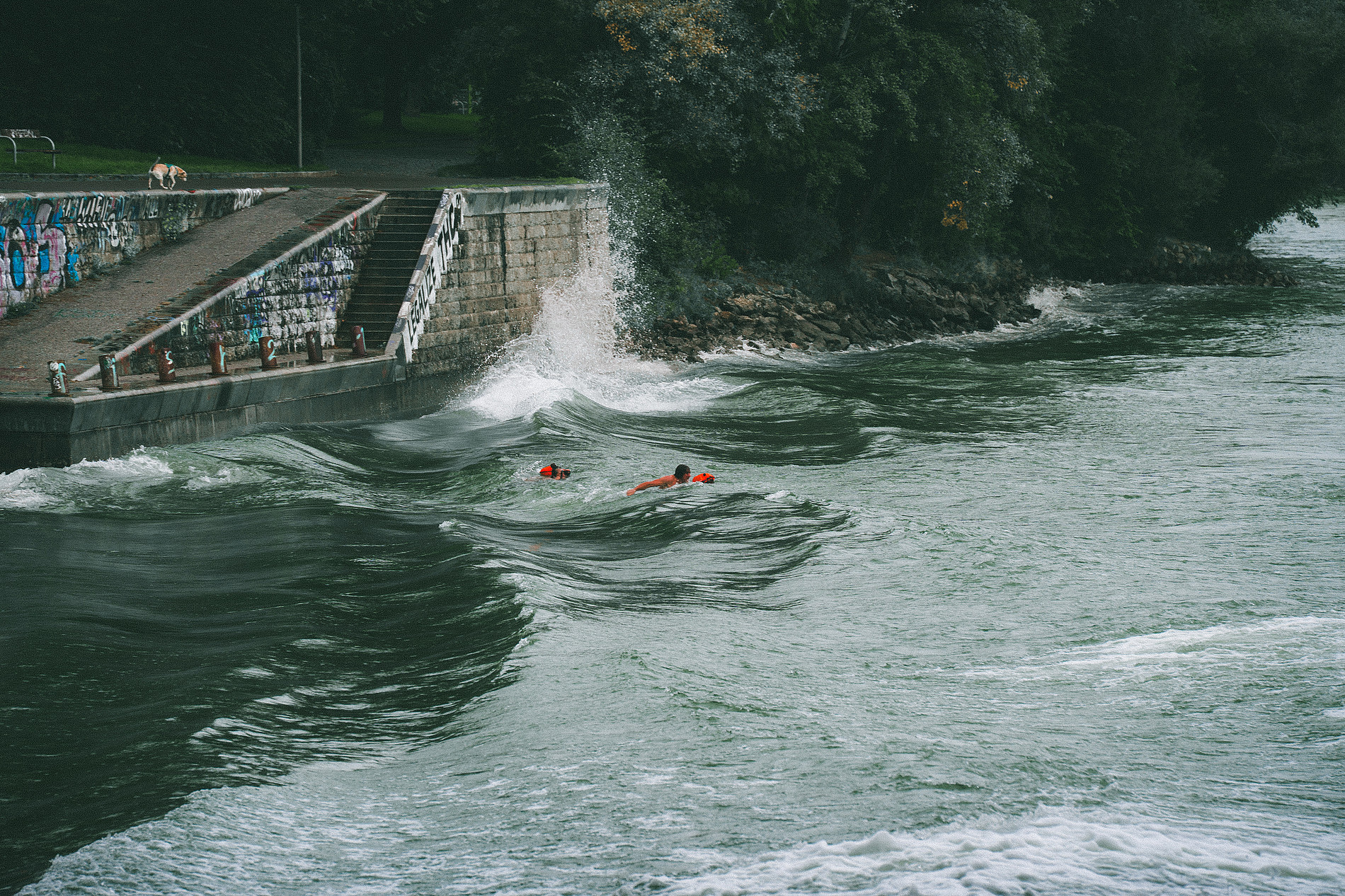
The urgency of the Hydrocene lies not only in its cultural or philosophical dimensions but in its ecological ones. In Austria, the effects are already measurable: snow cover is shrinking by a centimetre a year, and glacier volume could fall by eighty percent by 2050. “In the Hydrocene, rivers are also understood as sites for careful reformulatingof colonial-capitalist human-water relations, through the hydro-artistic methods of resisting, rerouting, and infusing.” (Bailey-Charteris 2024, 76) Rivers that have been the arteries of Central European civilisation for millennia are being transformed in ways with no historical precedent. The Danube itself — which we follow in our project “Rivers in Crisis” — is a living index of this change, its flow altered by upstream extraction, its banks shaped by a century of engineering, its water carrying geological sediments and human garbage.
Bailey-Charteris structures her book around five case studies: river, swamp, ocean, fog, and ice. Through each, she explores how eco-visionary artists have developed what she calls hydro-artistic methods — ways of engaging with water not as subject matter but as collaborator. These methods range from Fujiko Nakaya’s fog installations, which dissolve the boundary between viewer and atmosphere, to Janet Laurence’s site-specific works that make ecological grief visible and tactile. What unites them is a shared commitment to learning from water rather than representing it: to allowing the element to disorient, instruct, and reorient. For those of us working with waterway heritage and cultural memory, this is a productive challenge. It asks not only what stories have been told about water, but what stories water itself might tell us if we listen — what does water hold that our archives cannot carry on.
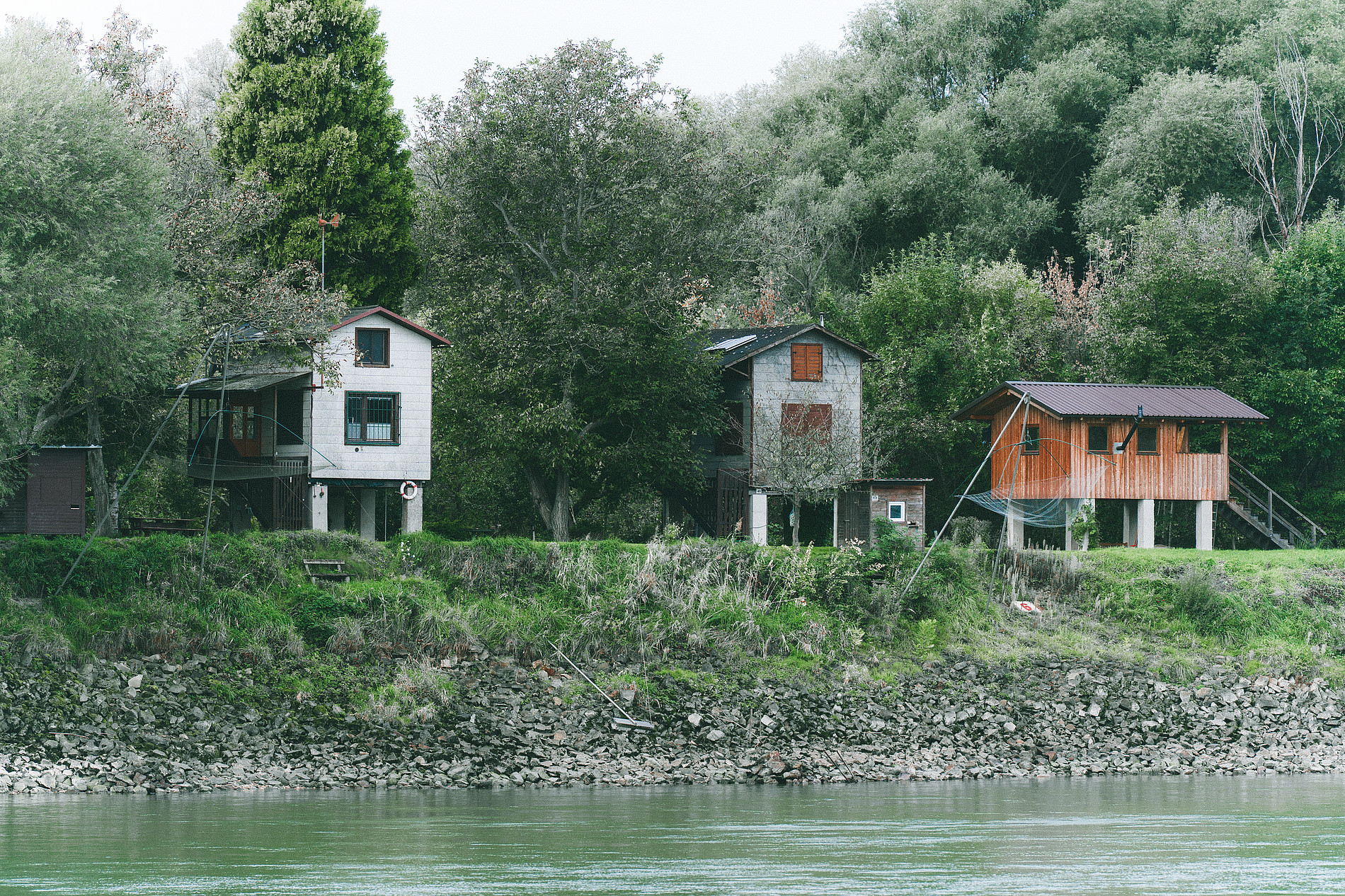
Bailey-Charteris speaks of the Code Blue, “given the centrality of water” to the climate crisis (Bailey-Charteris 2024, 1). It is time we learn to understand water not only as resource or risk but as a medium and body we relate to and with, that we take care of as it takes care of us every single day.
Astrida Neimanis: Bodies of Water. Postuman Feminist Phenomenology. London: Bloomsbury 2017
Bronwyn Bailey-Charteris: The Hydrcene. Eco-Aesthetics in the Age of Water, New York: Routledge 2024.
Author: Stefanie Populorum
Date: 23.3.2026